Showing posts with label Digitising. Show all posts

Wednesday, 26 October 2011

Here be prints

As promised, the results of yesterdays digitising and printing. I guess better pics will  happen eventually.

Solid surfaces

Polygon Inset

With Meshsmooth 
modifier

Microscribe Digitising arm

I had a chance while Paul from Modelmaking want looking to steal his microscribe digitising arm!

I had previously made a shape upstairs using the spot welder, with the intention  of using this magical device to input the geometry directly into Rhino in order to further edit it, and include it into visualisation and 3D models for milling / printing. 

Basic Rhino knowledge is required, but shapes can be plotted out almost straight away and / or exported to other software packages for further editing and manipulation. In the following series of images you can see the initial shape, the interaction of the arm with the object, and a set of screen shots taken of the outcomes.

I left the printer running overnight to realise some of the forms for us, so i'll follow up this post with pics of those!


The spot welded object


Typical setup

accurate placement of points taken from the model


physical and digital model can be seen

Wireframe build from simple 2D lines

Shape replicated using 3 / 4 sided surfaces

Surfaces turned into a low res mesh and offset / solidified

Point cloud data joined with interpolated curves

Curves used to create 3 / 4 sided surfaces 

The mesh imported to 3DSMax, with polygons inset

Inset mesh, offset and solidified

Mesh smooth modifier made it transform dramatically


The three meshes i sent to print

From setup to hitting the print button, took a couple of hours. The technology lends itself to being accessible from either a reverse engineering perspective, as as in this case a simpler and more tactile way of creating digital data which can be further manipulated in software environments.

The plans for these models will be further exploration of form once printed, and added to with soft materials such as clay, and harder denser materials such as styreen metals. From here, the process can start over again being re digitised, manipulated, rendered and critiqued. 

See you on the other side ;)


Wednesday, 20 October 2010

TCT Live 2010


Woop what a day - most spent in a car but some was spent at the awsome TCT live in Coventry.

Check out the Set on FlickR

Not much has changed from last year, machines have gotten smaller still and resolutions are getting higher. Things are getting cheeper but still out the reach of us poor people. :(

Wednesday, 7 July 2010

Bartlet Architecture Final Show UCL

Walking from Waterloo to UCL took just over an hour - but we got to see alot of London's back streets that would have been missed if we took the tube. The day was hot despite staring out with rain, and not taking the most direct rout at times just made things worse. Anyway - by 2:30 we had made it, and the courtyard of UCL was a little sancuary in the middle of hell that was london, quiet and calm, we were met with this.


In the right place then.

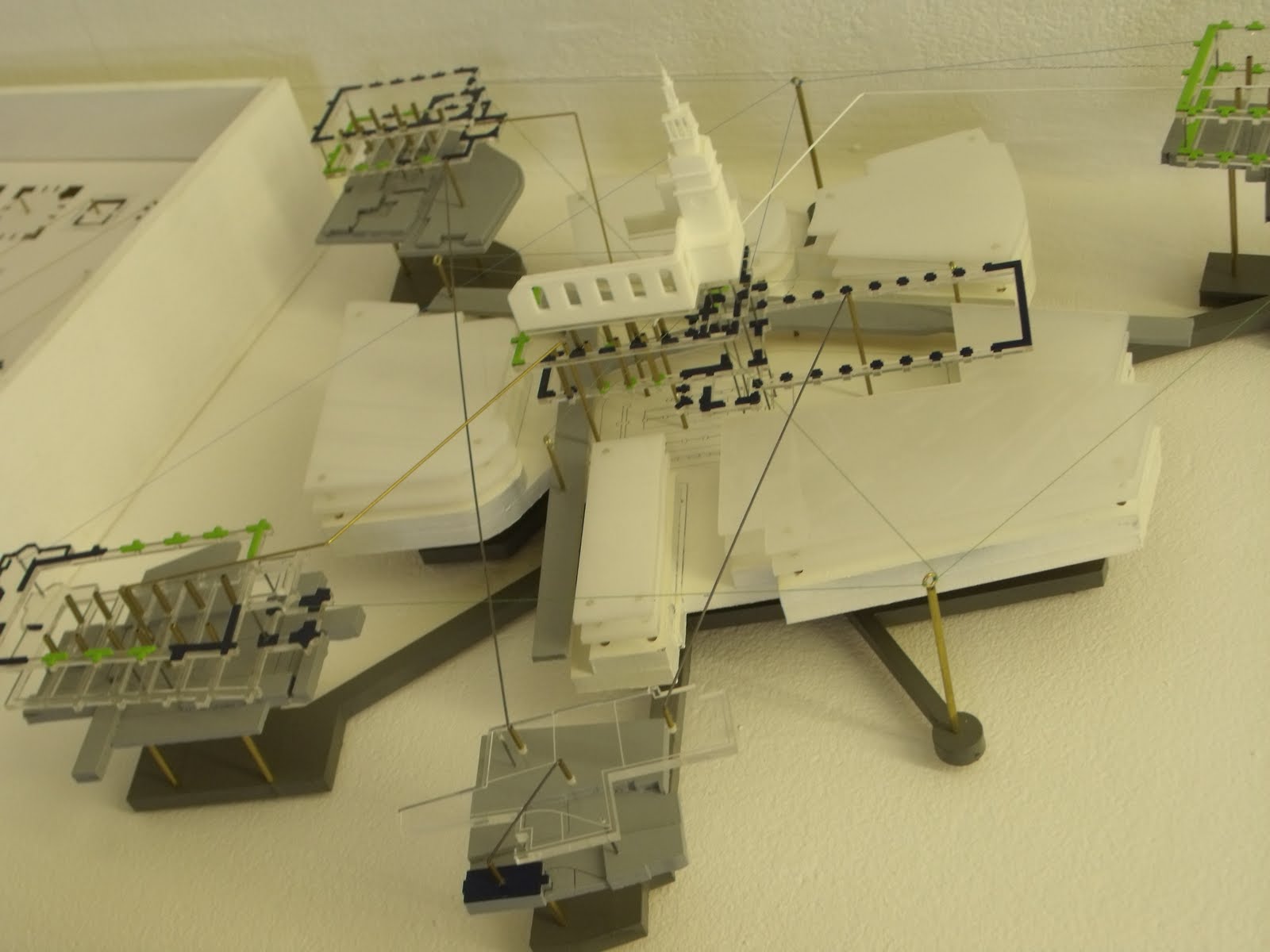
The show was pretty large accutally, spanning several rooms with a range of work in each. Models were everywhere which was a plus for me - and they were getting alot of attention from everyone else in the gallery.


To go with the countless models were collections of artwork which as an outsider I coulnt see the relevence to an Architecture degree show but they were stunning none the less - very sci fi.


The models on show had a range of technologies applied to them - predominently Dprinted with elements of lasercut acrylic. I spoke toone of the students on hand and asked about the software used to create such generative forms. They all get introductions into Rhino, Solidworks, Studio MAX - even google sketchup is used extensivly. He also explained that they build several models digitally - some for specification and also some specifically for the use of prototyping technologies. All models are brought and payed for at a little above cost.


Overall the day was great and well worth the treck accross London town to get there! The level of work - and the quality and extensiveness of the 3D prints was a great thing to witness!! Some of the aplications were questionable, such as a printed landform, but over all the applications were very generative and testament to their skills on CAD. Some of the details were very fine and bridging[from my persective] the gap between technology and art.

Tuesday, 25 May 2010

Digital Terrain Modeling

Using Digimap and Rhino 3D, Bournemouth Chine was milled from Birch ply.


and


and


The model is used as reference for Nathen's 3rd year BA Hons Architecture project, the rejuvination of a bridge.

Tuesday, 18 May 2010

Yes pelase


A very exciting blog - many nice examples of milling and generative 3d prints.

via Space collective